
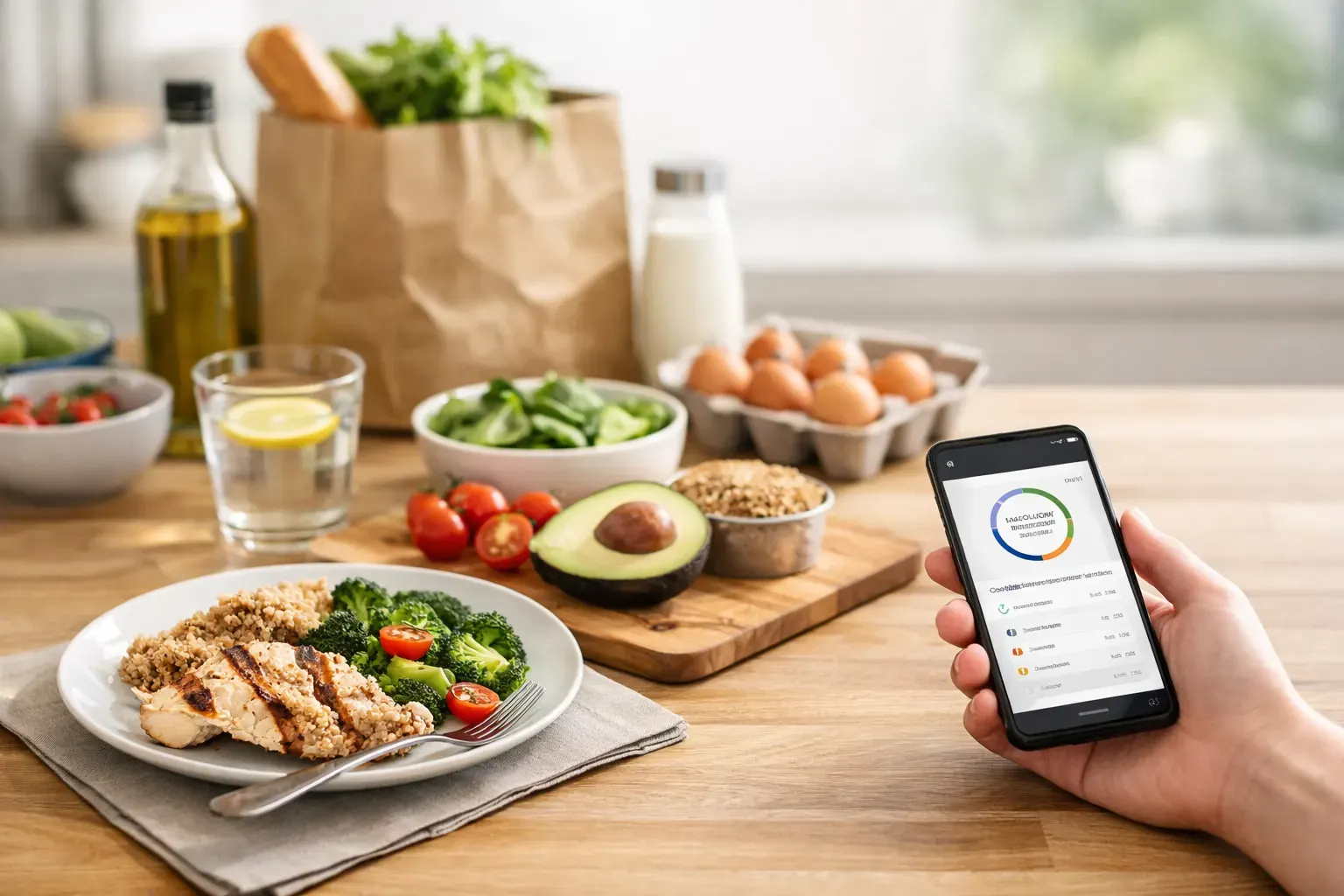
If you have ever given up on calorie tracking because it felt like unpaid admin, you are not the problem. Most apps ask for too much effort, too early, then act surprised when people stop logging by Thursday. That is why the search for the best ai calorie tracking app usually comes down to one thing: which app makes consistency feel easy enough to repeat.
For most people, the winner is not the app with the biggest food database or the most graphs. It is the one that helps you log meals quickly, understand your daily intake clearly, and stay in a realistic calorie deficit without turning food into a full-time job. Speed matters. Clarity matters. And if an app can also help you plan ahead, even better.
What makes the best AI calorie tracking app actually useful
AI on its own is not the point. Plenty of apps mention artificial intelligence, but the real question is whether it removes friction from daily use. If it does not save time or reduce guesswork, it is just extra packaging.
The best apps tend to get a few things right. First, they make food logging fast. Taking a photo of a meal, scanning a barcode, or selecting recent foods should take seconds, not minutes. Second, they translate data into decisions. Seeing calories, trends, and remaining intake in a way that is easy to act on is far more helpful than a screen full of nutritional detail you will never use.
Third, they support the whole routine, not just logging. Tracking is useful, but planning is what keeps you out of trouble at 7 pm when you are tired and hungry. If an app can help you map meals for the week, generate recipes from ingredients you already have, and show your intake over time, it becomes far more practical.
That is where many people find the gap between a clever app and a useful one. Clever impresses you on day one. Useful still helps you on week six.
Best AI calorie tracking app features that save time
The strongest feature in any AI-led tracker is photo logging that works well in normal life. Not a perfect studio photo of grilled chicken and rice, but a quick snap of lunch at your desk, a takeaway, or something half-eaten because you forgot to log it first. Good AI food recognition should get you close enough quickly, then let you adjust portions without a fuss.
Barcode scanning matters too, especially if you eat packaged foods even occasionally. It is one of the fastest ways to avoid manual search, and it reduces the chances of logging the wrong version of a product. If your app cannot handle this well, the daily friction adds up.
A useful meal planner is another separator. Many people think calorie tracking starts when they eat, but the real advantage comes earlier. A one-tap 7-day plan, sensible calorie targets, and recipe suggestions based on your ingredients all make it easier to stay on budget before willpower gets tested.
Food history is underrated as well. A calendar view helps you spot patterns without needing to interpret complex charts. You can see where weekends drift, where lunches are heavier than expected, or where your intake becomes erratic. That kind of visibility helps you correct course calmly instead of reacting emotionally.
Exportable reports will not matter to everyone, but they are genuinely useful if you want accountability. Some people like sharing progress with a coach, a partner, or simply keeping a record they can review properly. A PDF report turns vague effort into visible evidence.
Why a calorie budget works better than strict dieting
One reason people abandon tracking is that traditional diet language can feel punishing. It frames every meal as a test and every slip as failure. A budgeting model works better because it is easier to understand and easier to live with.
When calories are presented like a daily spending budget, the logic becomes straightforward. You have a target, you make choices within it, and you can see the trade-offs clearly. A lighter breakfast leaves more room for dinner. A high-calorie lunch is manageable if the rest of the day adjusts. That feels less like restriction and more like control.
This is where a finance-inspired app stands out. Instead of drowning you in guilt or nutritional jargon, it gives you a practical system. Spend wisely, stay within your calorie credit, and build a sustainable deficit over time. That shift matters because long-term fat loss is rarely about being perfect. It is about making enough good decisions, often enough, to keep moving.
Where some AI calorie apps still fall short
Even the best app has limits, and it is worth being realistic about them. Photo recognition is helpful, but it is not magic. Mixed dishes, hidden oils, sauces, and restaurant meals can still be tricky. AI can speed up logging, but users still need a bit of judgement, especially with proportions.
There is also a trade-off between simplicity and detail. Some users want every macro, every micronutrient, and highly customised analytics. Others just want to know whether they are on track. If your goal is sustainable fat loss, the second approach is often more useful, but it depends on your preferences.
Another common issue is feature overload. Some apps pile on fasting timers, workout plans, community feeds, wearable integrations, and health scores until the core job gets lost. If tracking your lunch becomes a ten-step process, the app is not helping. More features do not always mean more value.
How to choose the best AI calorie tracking app for you
Start with your real sticking point, not the app store description. If you usually quit because logging is tedious, prioritise fast photo capture and barcode scanning. If you struggle with evening food choices, prioritise meal planning. If you lose motivation because progress feels invisible, look for clear history and reporting.
It also helps to think about your routine. Busy professionals often need an app that works in small gaps between meetings, on the train, or while cooking. That means quick input, recent meal memory, and a simple dashboard matter more than endless custom settings.
If you are newer to calorie tracking, look for language that feels clear and non-judgemental. The best app should help you build confidence, not make you feel behind before you begin. You should be able to open it, log food, understand your remaining calories, and move on with your day.
And if you use an iPhone for most of your daily planning, it makes sense to choose a mobile-first tool designed around that behaviour. The best experience is usually the one built for the device you already rely on, rather than a watered-down add-on to a broader platform.
A smarter standard for the best AI calorie tracking app
For many users, the best ai calorie tracking app is the one that turns calorie control into a system you will actually stick with. That means snapping meals instead of typing everything out. Scanning barcodes instead of searching endlessly. Building a seven-day plan instead of improvising when you are hungry. Checking a calendar and seeing your habits clearly instead of guessing.
That is also why apps built around calorie budgeting are gaining ground. They do not ask you to become obsessed with food. They help you manage intake with the same common sense you would use for money. You have a target, a record, and a clear view of what is left. For people who want structure without diet drama, that is a better fit.
Calorie Bank Credit is a good example of this shift. Its approach is practical: snap meals, scan barcodes, build a sustainable deficit, and keep your progress visible. The financial model gives users a simpler way to understand daily intake, which can make adherence feel more manageable.
If you are comparing options, judge the app by what happens after the first week. Does it still feel quick? Does it help you make better decisions when life gets busy? Does it reduce mental load rather than add to it? Those are the questions that matter.
A good calorie app should not demand perfection. It should make the next sensible choice easier, today and again tomorrow.