
Most people do not quit calorie tracking because they lack motivation. They quit because the process gets tedious fast. A daily calorie budget app works better when it turns food decisions into something you already understand - managing a daily allowance. Instead of treating eating well like a punishment, it gives you a clear budget, helps you track where it goes, and shows how to stay on course without overthinking every meal.
That shift matters more than it sounds. For many people, traditional calorie apps feel like admin. You search for foods, guess portions, second-guess the numbers, then wonder whether one busy day has ruined the week. A budgeting model is easier to stick with because it is familiar. You know what you have available, what you have spent, and what choices still fit.
Why a daily calorie budget app feels easier to follow
The best tracking systems reduce friction. If an app makes you type too much, correct too much or interpret too much, consistency drops. A calorie budget framework cuts through that. You are not staring at a wall of nutrition data trying to decode whether lunch was good or bad. You are simply checking how that meal fits into your daily balance.
That is a big psychological difference. Budgeting is neutral. It does not label foods as failures. It helps you make trade-offs. If you want a larger dinner, you can account for it. If you grabbed a pastry with your coffee, you can adjust the rest of the day instead of deciding the whole plan has collapsed.
For busy people, that clarity is often the difference between using an app for three days and using it for three months.
What to look for in a daily calorie budget app
Not every app that counts calories actually helps you manage them well. The useful ones save time at the point of decision. That means logging needs to be fast, meal planning needs to be practical, and your history needs to be easy to review when you want to spot patterns.
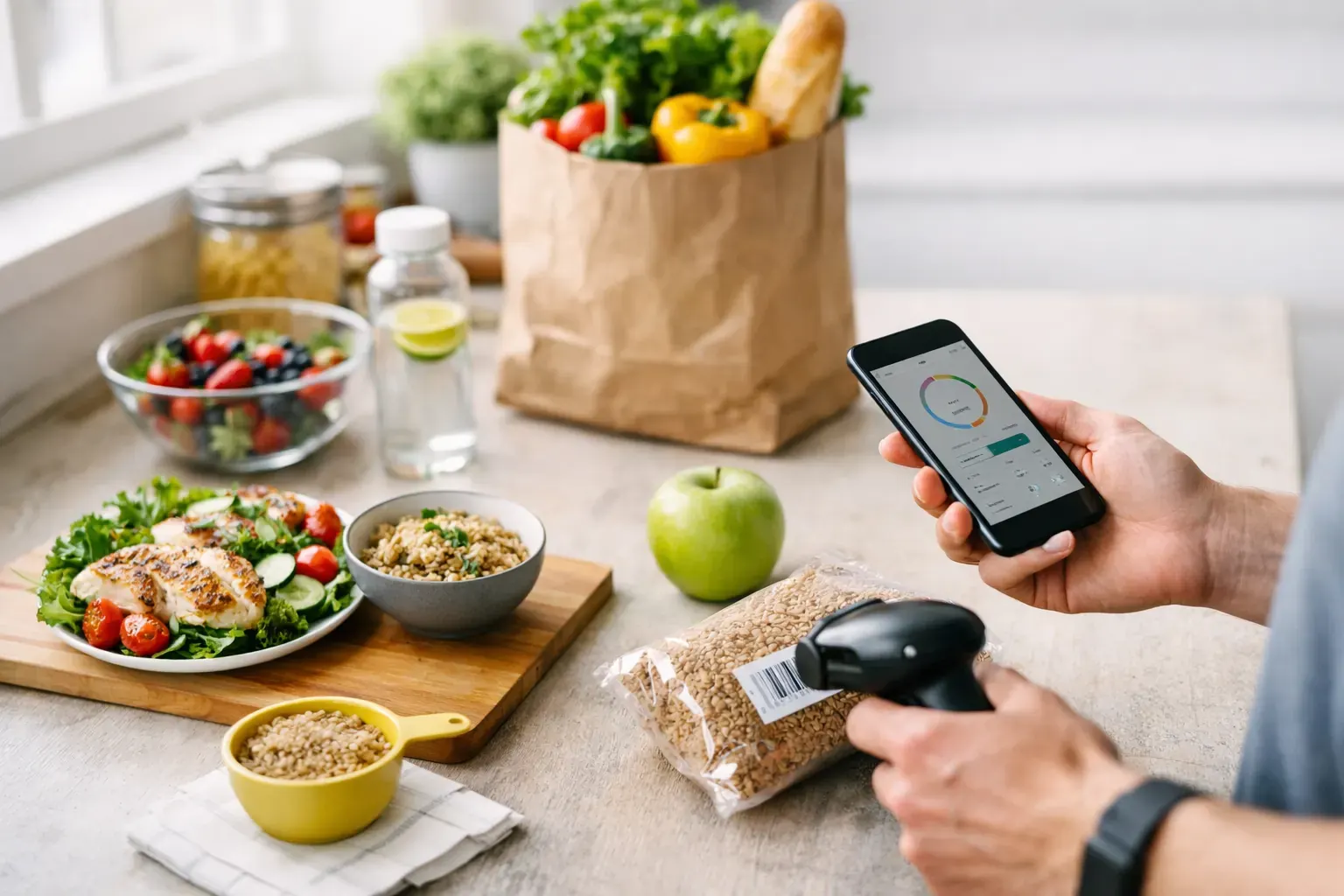
Photo logging is one of the biggest time-savers. If you can snap your meal instead of manually entering every ingredient, the app fits around real life far better. Barcode scanning matters too, especially if you regularly eat packaged foods and do not want to type labels into your phone after a long day.
Planning is just as important as tracking. Plenty of people can log what they already ate. Fewer have a simple way to plan tomorrow before hunger and convenience take over. An app that can generate a 7-day plan or build recipe ideas from ingredients you already have makes the calorie budget easier to follow because it removes last-minute guesswork.
Then there is visibility. Calendar-based food history and progress reports may sound less exciting than AI features, but they are what help you stay accountable. When you can see how your week actually looked, not just how yesterday felt, your decisions become more grounded.
Fast logging beats perfect logging
One reason people abandon calorie tracking is the belief that every entry must be exact. In practice, useful tracking is about being consistent enough to guide better decisions. A quick food photo, a barcode scan and a sensible estimate will usually do more for progress than an hour spent trying to make every gram perfect.
There are trade-offs, of course. If you are preparing highly specific meals or following a clinical nutrition target, you may want more manual control. But for most adults trying to lose weight steadily, speed matters more. The easier it is to log breakfast on the train, lunch at your desk or dinner after school pick-up, the more likely you are to keep going.
That is where AI-powered tools earn their place. They shorten the distance between eating and recording. Less friction means fewer skipped entries. Fewer skipped entries means a more realistic view of your intake.
Budgeting calories changes how you make decisions
A standard tracker tells you what you ate. A better system helps you decide what to eat next.
That is the real advantage of a budget-led app. It gives structure without turning food into a moral test. If your breakfast was heavier than planned, you do not need to panic. You just need to know what is left in the budget and how to use it well. Maybe lunch becomes simpler. Maybe dinner stays the same and snacks get tighter. The point is control, not guilt.
This approach is especially useful for people who have bounced between strict plans and complete inconsistency. A hard-line diet often works until life gets in the way. Then one takeaway, one work social or one stressful week can feel like a total derailment. Budgeting is more resilient. It accepts that your days will not all look the same.
The features that make daily use realistic
A good app should feel like a smart companion, not another task. That means everyday actions need to be quick.
Snapping a meal photo helps when you are eating out, cooking from memory or simply short on time. Scanning a barcode is ideal for supermarket staples, protein bars, yoghurts and ready meals. Ingredient-based recipe generation helps when you have food in the fridge but no plan. Instead of ordering something impulsive, you can turn what you already have into a meal that still fits your target.
Weekly planning helps in a different way. It reduces decision fatigue before it starts. If you can build a seven-day structure in one tap and then adjust as needed, you are far less likely to drift into random eating by Wednesday.
Reporting also matters more than most people expect. Exportable PDF reports can be useful if you want to review your progress with a coach, keep a personal record or simply stay honest with yourself. A clean report turns vague effort into visible data.
Who benefits most from this style of app
A daily calorie budget app is a strong fit for people who want structure but dislike diet culture. It works well for beginners because the concept is easy to grasp. It also suits experienced dieters who are tired of complicated systems and want something they can actually maintain.
It is particularly useful for iPhone users who prefer mobile-first tools and want everything handled in one place. If you often eat on the go, buy packaged foods, juggle work and family, or need a faster way to plan meals, the right app removes a lot of daily drag.
That said, it depends on your expectations. If you want deep nutritional analysis above all else, a budget-led app may feel intentionally simple. But if your main goal is building a sustainable calorie deficit without spending half your day logging food, simplicity is a strength, not a weakness.
A smarter way to stay consistent with a daily calorie budget app
Consistency usually comes from systems, not willpower. When an app helps you record meals quickly, see your budget clearly and plan ahead with less effort, it becomes easier to repeat the basics. And the basics are what drive results.
This is why the finance-style model resonates. It gives calorie control a shape people already recognise. You are not trying to be perfect. You are managing a daily budget with more awareness and less friction. For many users, that feels calmer, more realistic and far easier to maintain.
Calorie Bank Credit is built around that exact idea. Snap meals, scan barcodes, generate plans and review your food history in a format that keeps the process clear. The aim is not to make eating feel restrictive. It is to make your calorie deficit easier to see and easier to stick to.
If you have struggled with apps that feel fiddly, preachy or overly intense, a budgeting approach may be the reset you need. The best system is not the one with the most features on paper. It is the one you will still be using on an ordinary Tuesday when life is busy and your choices need to be simple.