
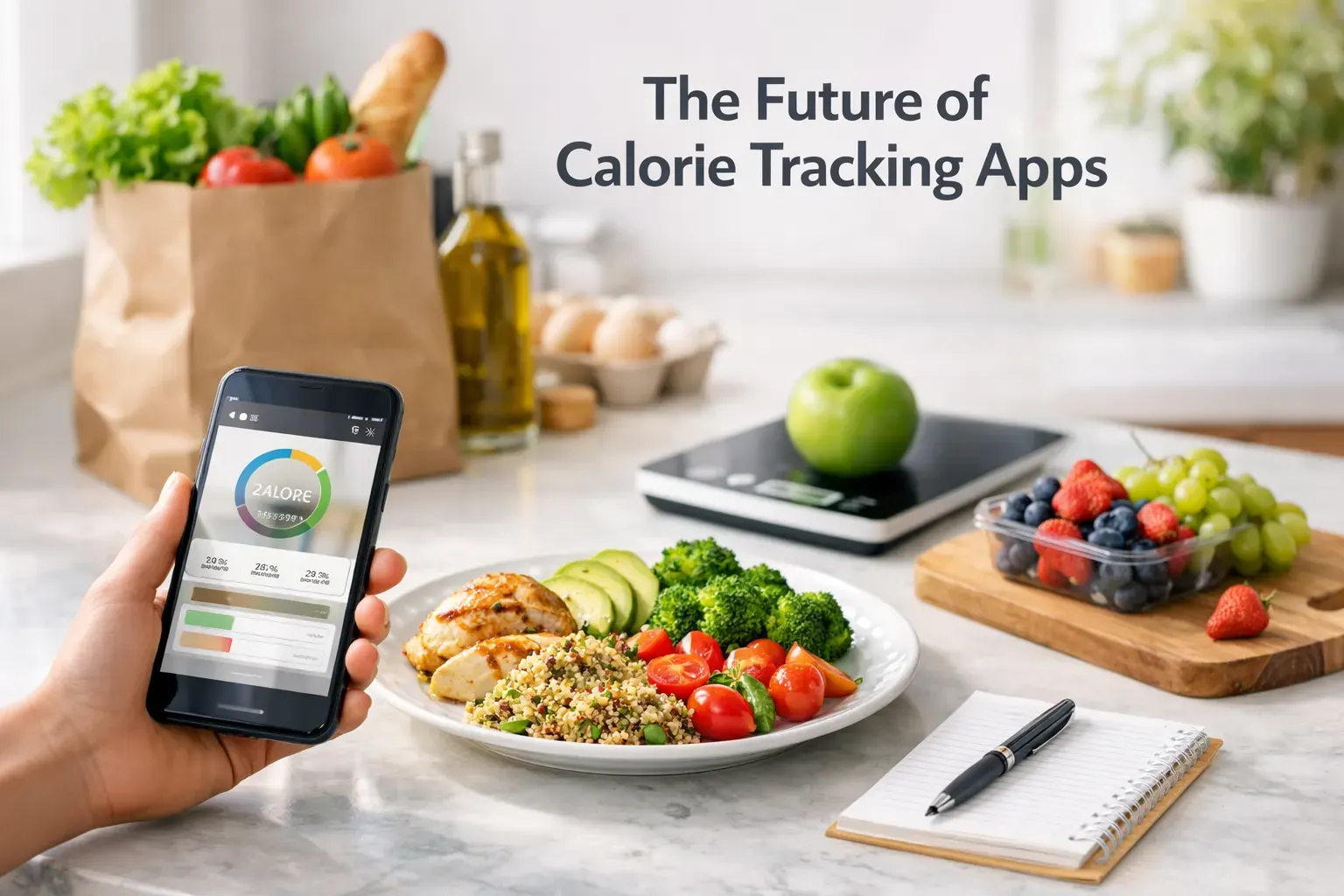
A lot of people do not quit calorie tracking because they lack motivation. They quit because logging lunch at 2 pm on a busy Tuesday feels like admin. If the future of calorie tracking apps is going to matter, it has to solve that problem first: less friction, faster decisions, and a clearer sense of control.
That shift is already under way. The best apps are moving away from clunky food diaries and towards something more useful - a daily system that helps you stay within budget, spot patterns, and make better choices without turning every meal into homework. For anyone trying to lose weight or manage intake consistently, that is a much better direction than chasing perfect data.
What the future of calorie tracking apps really looks like
For years, calorie tracking apps were built around manual entry. Search for a food, pick the closest match, guess the portion, and repeat for every snack, sauce and drink. It worked, but only if you had patience. Most people do not.
The future is not just more features. It is less effort per action. That means snapping a meal instead of typing it, scanning a barcode in seconds, pulling ingredients into a usable recipe, and turning food history into something you can actually learn from. Good tracking is becoming more like checking your bank balance than filling in a spreadsheet.
That matters because adherence beats intensity. An app that is 90 per cent accurate and easy to use every day is often more valuable than one that promises total precision but gets abandoned after a week. For most users, consistency creates better outcomes than perfection.
AI will reduce logging time, not remove judgement
AI is the clearest driver of change. Photo recognition is getting quicker. Food databases are improving. Apps are becoming better at suggesting portions, identifying common meals and learning from repeat behaviour. The practical benefit is simple: fewer taps, less searching, and less delay between eating and logging.
Still, there is a limit. AI can estimate, but it cannot always know whether that pasta dish was made with extra oil or whether the coffee included syrup. So the realistic future of calorie tracking apps is not full automation. It is assisted accuracy.
That is a better model anyway. Users do not need a system that pretends to be perfect. They need one that helps them make a fast, reasonable entry and keep moving. In real life, that is what supports a sustainable calorie deficit.
Expect smarter repeat behaviour
One of the most useful changes will be how apps handle habits. Most people rotate through familiar breakfasts, lunches, snacks and supermarket staples. Future apps will lean into that pattern, learning your regular meals and surfacing them before you search.
If you buy the same yoghurt each week, eat a similar salad three times a week, or make two or three evening meals on repeat, your app should know that. Smart defaults can save time without making the process feel rigid. The goal is not to force a meal plan on you. It is to make familiar choices easier to log and easier to adjust.
Tracking will merge with planning
This is where the category gets more useful. Logging what you have already eaten is helpful, but planning what you are about to eat is where real control starts. The next generation of apps will not treat tracking and meal planning as separate tasks.
Instead, users will move between the two naturally. Log breakfast, see what budget remains, generate meal ideas that fit the day, and make a quick adjustment before dinner rather than after. That turns calorie tracking from a record-keeping tool into a decision-making tool.
For busy people, this matters more than nutritional theory. You do not need a lecture at 6 pm. You need a realistic dinner option that fits your remaining intake and does not take 45 minutes to prepare. Apps that can build practical weekly plans from calorie targets, available ingredients and repeat preferences will have a clear edge.
Budgets will beat raw numbers
Most people understand spending better than they understand energy balance. That is why the budgeting model is likely to become more prominent in the future of calorie tracking apps. A daily allowance is easier to act on than a wall of metrics.
When calories are framed as a budget rather than a punishment, users tend to make calmer, more sustainable choices. You can spend more at one meal, spend less at another, and still stay on track across the day or week. It feels less like failing and more like managing.
That shift is not just branding. It changes behaviour. A budgeting system encourages awareness without shame, which is exactly what many users need after years of all-or-nothing dieting. Calorie Bank Credit is built around that idea, and it reflects where the broader market is heading: simpler language, clearer trade-offs, and more focus on adherence.
Better apps will show patterns, not just totals
A single day of data rarely tells the full story. Weight management gets easier when you can see trends across a week or month: when your intake rises, which meals tend to overrun, and how weekends compare with workdays.
Future apps will get better at presenting those patterns in a way that is quick to understand. Not everyone wants charts for the sake of charts. What people want is a plain answer to useful questions. Are you consistently eating over budget in the evening? Are liquid calories adding more than expected? Are your "healthy" lunches actually the least filling part of the day?
This is where calendar views, meal history and exportable reports become more valuable. They turn scattered entries into a usable record. That can help with self-accountability, but it can also help in conversations with a coach, trainer or healthcare professional if you choose to share it.
Personalisation will improve, but it should stay practical
Personalisation sounds appealing, but it can become noisy fast. If every app starts pushing endless scores, predictions and nutrition advice, the user experience gets cluttered. The best personalisation will stay focused on action.
That means recommendations such as adjusting a weekly plan after several over-budget evenings, suggesting lower-calorie swaps for meals you log often, or helping rebalance the day after a heavier lunch. Useful prompts are better than constant commentary.
There is also a trade-off here. More personalisation usually means more data collection, and some users will rightly be cautious about that. Future apps will need to balance convenience with privacy and be clear about what data is used and why. Trust is part of usability.
The winners will be the apps people actually keep using
There will always be room for advanced trackers built for athletes or macro-focused users. But the biggest opportunity sits with everyday users who want something simpler: fast logging, realistic planning, visible progress, and less mental load.
That means the winners will probably not be the apps with the most features. They will be the ones that make the core job easier. Snap meals. Scan barcodes. Reuse meals. See your remaining budget. Build a week that works in ordinary life.
For beginners, especially, that usability is not a nice extra. It is the whole point. If an app feels easy on a rushed morning, during a supermarket run, or when ordering dinner late, it has a much better chance of becoming part of your routine.
What users should expect next
Over the next few years, calorie tracking apps will feel less like diaries and more like intelligent daily assistants. They will cut entry time, connect tracking with planning, and present progress in a way that supports steady decisions instead of guilt.
But the smartest apps will also know their limits. They will not pretend to replace common sense, appetite, lifestyle or preference. They will help you make better calls more often, which is what long-term progress usually comes down to.
If you are choosing a calorie tracking app now, look beyond the headline features. Ask a simpler question: does this make it easier to stay consistent on an ordinary Wednesday? That is where the future is heading, and it is also the standard that matters most.