
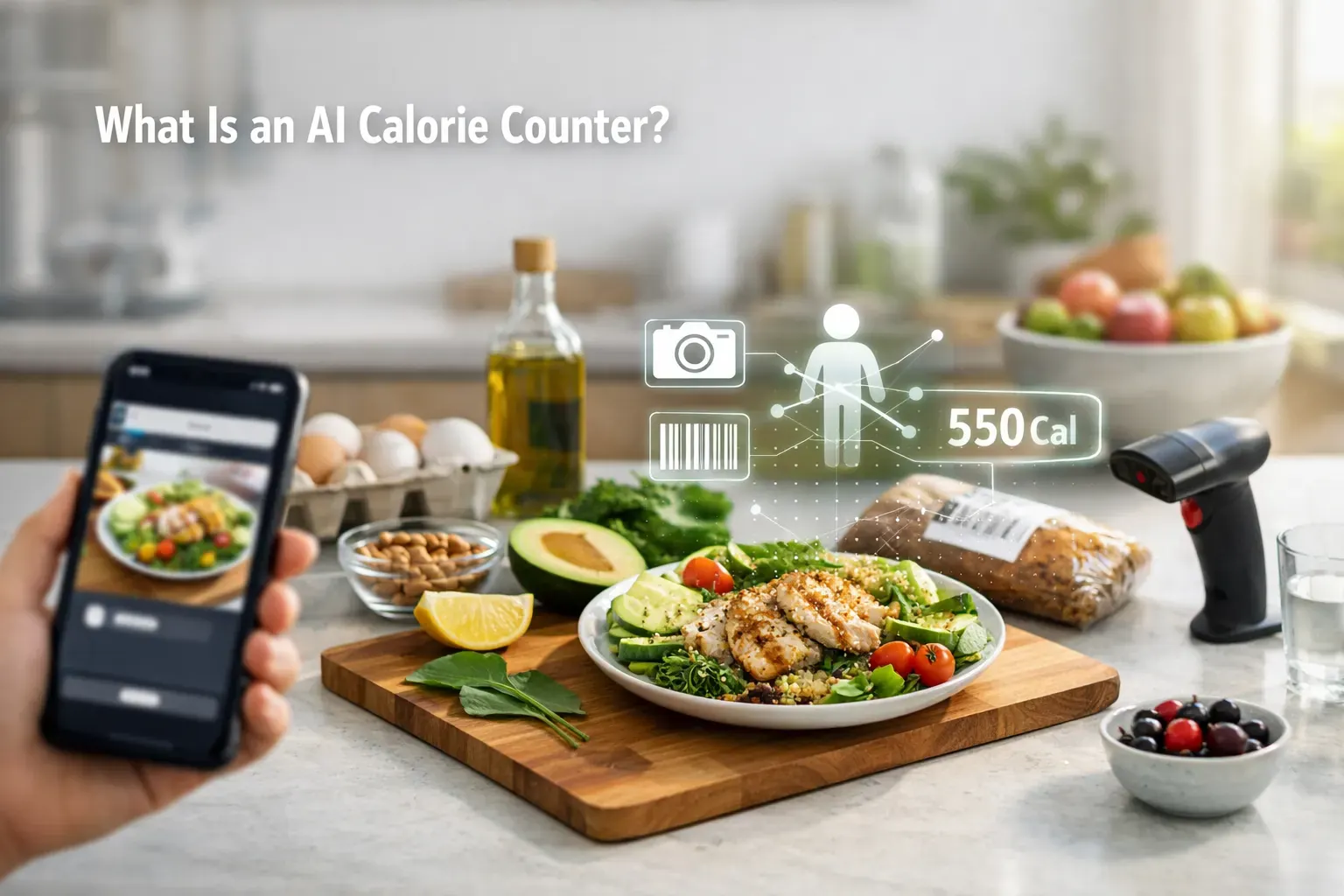
You should not need ten minutes and a food database just to log lunch. If you have ever given up on calorie tracking because it felt fiddly, repetitive or oddly guilt-inducing, the obvious question is: what is ai calorie counter technology actually doing differently?
At its best, an AI calorie counter is a faster way to record what you eat, estimate calories and keep your daily intake under control without turning every meal into admin. Instead of typing every ingredient manually, you can often snap a photo, scan a barcode or choose from smart suggestions. The point is not to make nutrition perfect. It is to make consistency easier.
What is AI calorie counter technology?
An AI calorie counter is a food tracking tool that uses artificial intelligence to recognise meals, packaged products and eating patterns, then turns that information into calorie estimates and usable logs. In simple terms, it replaces part of the manual work that traditional calorie apps expect from you.
That can include image recognition for meals, barcode scanning for supermarket items, auto-filled portion suggestions and pattern-based recommendations. Some apps also use your goals, history and preferences to suggest meals or help plan a weekly calorie budget.
The practical appeal is clear. You still need to make decisions, but you do not need to do all the admin yourself. For busy people, that difference matters more than fancy tech language.
How an AI calorie counter works in real life
Most people do not eat lab-measured meals. They eat cereal before work, a sandwich grabbed between meetings, a takeaway on a tired Wednesday and something half-planned at the weekend. An AI calorie counter is built for that reality.
If you photograph a meal, the app analyses the image and identifies likely foods on the plate. It may detect rice, chicken and vegetables, then estimate portions and calories. If you scan a barcode, it pulls product data much faster than searching manually. If you log similar breakfasts every weekday, it may learn that habit and suggest the same entry again.
The best systems also connect tracking with planning. Rather than simply telling you what you have already eaten, they help you decide what to eat next. That is where calorie counting becomes more useful and less reactive.
For example, if your day is running high, a smarter app can steer dinner towards something lighter. If you are trying to maintain a calorie deficit, it can make that target feel like a clear spending limit instead of a vague rule you hope you are following.
Why people switch from manual tracking
Traditional calorie counting often fails for one reason: friction. It asks for too many taps, too much searching and too much patience when life is already busy.
That friction shows up in small moments. You cannot find the exact yoghurt in the database. The homemade pasta needs every ingredient entered separately. You skip logging one snack, then another, then stop altogether because the day no longer looks accurate.
AI tools reduce that drop-off. Faster logging means more complete records. More complete records mean better awareness. Better awareness usually leads to better decisions, even before motivation improves.
This is why the format matters. People rarely need a stricter tracker. They need one they will actually use on an ordinary Tuesday.
What an AI calorie counter gets right
The biggest win is speed. If logging a meal takes seconds instead of minutes, you are far more likely to keep going. That consistency is where progress comes from.
The second win is simplicity. Good AI food tracking removes some of the nutrition jargon and turns calorie management into a clearer daily system. For many users, it helps to think in terms of a budget rather than a punishment. You have a target, you spend across the day, and you adjust when needed. That framing tends to feel calmer and more practical.
The third win is support around the tracking itself. Many newer tools do more than count calories. They can generate recipes from ingredients you already have, build a seven-day plan, store your food history on a calendar and produce reports you can actually review. That turns a passive log into something you can use to stay accountable.
Where AI calorie counters still have limits
AI is helpful, not magical. That distinction matters.
Photo recognition can estimate a meal, but it cannot always know every ingredient, cooking oil or exact portion size. A chicken curry made at home and one from a restaurant may look similar but land very differently in calories. If the app gives you a rough figure, treat it as an informed estimate, not a laboratory result.
Barcode scanning is usually more reliable for packaged foods, but databases can still contain outdated entries. Meal suggestions can save time, yet they are only useful if they fit how you actually eat. A plan is not helpful if it ignores your routine, budget or preferences.
So yes, AI can improve accuracy in some situations and save time in most situations. But there is always a trade-off between precision and convenience. For most people trying to lose weight steadily, convenience wins because it keeps the habit alive.
Who should use an AI calorie counter?
If you want perfect nutritional analysis of every gram you eat, you may still prefer a highly manual approach. But that is not what most people need.
An AI calorie counter suits people who want structure without the drag of constant data entry. It works especially well for beginners, people returning to calorie tracking, busy professionals and anyone who tends to fall off when an app becomes too demanding.
It is also useful for those who like visible progress. When your meals, calorie history and weekly patterns are easy to review, it becomes easier to spot what is helping and what is quietly pushing you over target.
For iPhone users who want a mobile-first routine, the experience can feel particularly natural. Snap the meal, scan the packet, check your remaining budget and move on with your day.
What to look for in a good AI calorie counter
Not every app that mentions AI is genuinely helpful. The best ones make the daily workflow simpler from the first use.
Look for fast food photo recognition that does not need endless correction. Barcode scanning should be quick and reliable. Meal planning should feel practical rather than aspirational, with options you could genuinely eat during a normal week.
A useful app should also give you a clear view of your intake over time. Calendar-based logs, trend tracking and exportable reports can help if you want to review progress properly or share it with a coach or clinician. These features sound small, but they make the tool more than a calorie calculator. They turn it into a system.
One strong example of this approach is Calorie Bank Credit, which frames calories as a daily credit budget. That money-style model makes deficit management easier to understand because you can see what you have spent, what remains and where small changes add up.
AI calorie counting and weight loss
An AI calorie counter does not cause weight loss on its own. What it does is make the behaviours behind weight loss easier to repeat.
If you can log meals quickly, notice patterns early and plan the next few days without overthinking it, you are more likely to stay in a sustainable deficit. That matters far more than one perfectly tracked day.
This is also why shame-based dieting tends to fail. People do not need more pressure. They need better feedback. A smart app can give you that feedback in real time, with less effort and less mental clutter.
Some days will still be messy. Restaurant meals are harder to estimate. Social events can push you over budget. Travel changes routines. None of that means the system has stopped working. It means the useful target is consistency, not flawlessness.
Is an AI calorie counter worth using?
For most people, yes - if the app saves time and helps them stay honest about intake. That is the real benchmark.
The value is not that AI sounds advanced. The value is that it lowers friction enough for calorie tracking to become a routine rather than a project. When the process is quicker, people tend to log more, plan better and react sooner when habits start slipping.
That makes an AI calorie counter less about technology for its own sake and more about practical control. You are not trying to become obsessed with every bite. You are building a clearer system for everyday decisions.
If your current approach feels too slow, too manual or too easy to abandon, a smarter tracker can change the experience completely. The best one is the one that helps you keep showing up, one meal and one day at a time.