
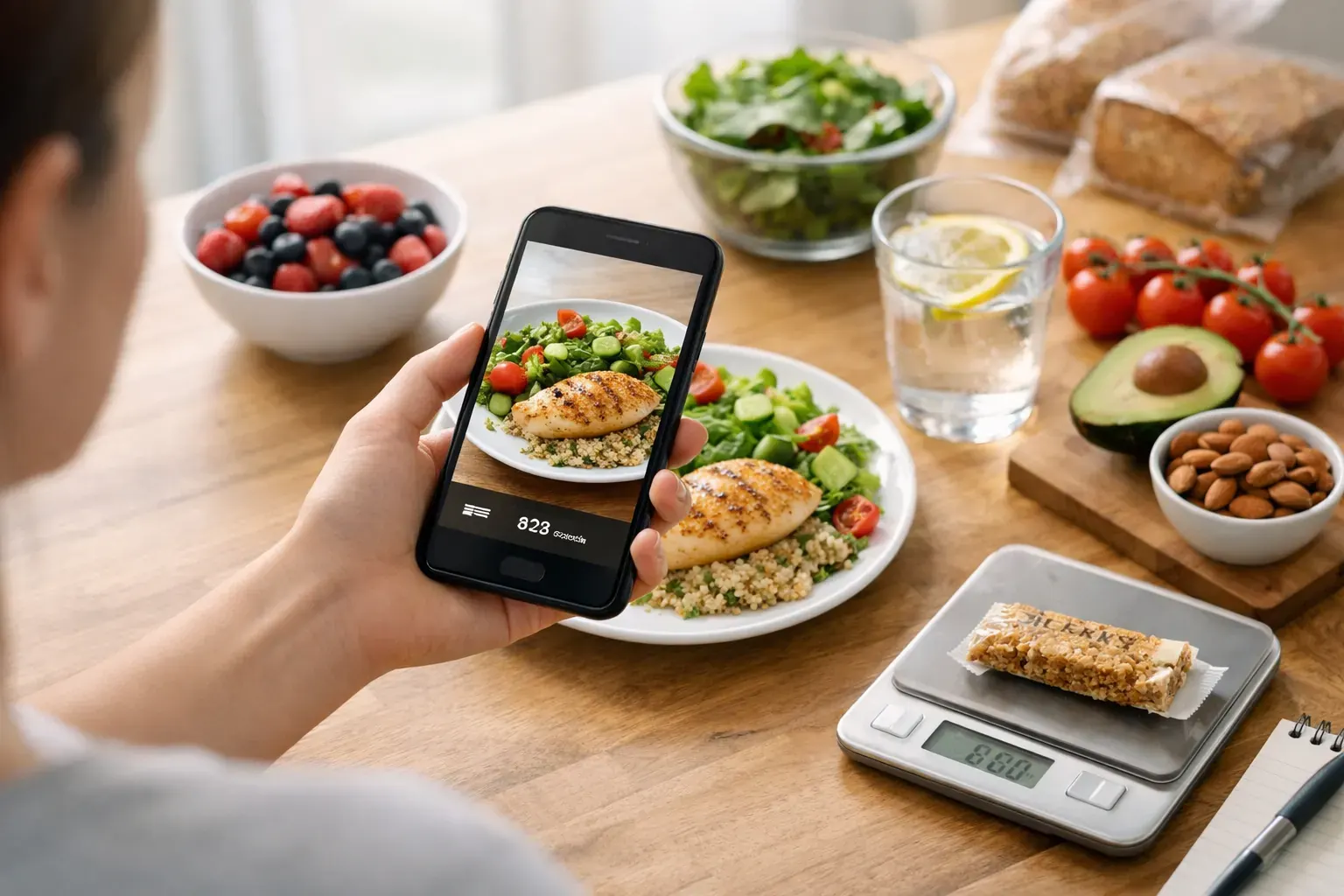
You do not need another food diary that turns lunch into paperwork. A smart food recognition app should make the job lighter the moment you open it - snap the meal, get a useful calorie estimate, make a quick adjustment if needed, and move on with your day.
That sounds simple, but not every app gets the basics right. Some are clever at recognising foods and weak at helping you act on the result. Others track numbers well but make logging so fiddly that consistency falls apart after a week. If your goal is weight loss or tighter calorie control, the best tool is not the one with the longest feature list. It is the one that helps you stay in budget day after day.
Why a smart food recognition app matters
For most people, calorie tracking does not fail because they lack motivation. It fails because the process asks too much. You forget to log breakfast, guess at dinner, then abandon the whole day because the record is no longer tidy. That is where a smart food recognition app earns its place.
Instead of forcing manual search for every ingredient, it gives you a fast first estimate from a photo. That reduces friction, which is often the difference between tracking consistently and giving up. When the app can also scan packaged foods, remember your meal history and show your progress clearly, it stops feeling like a diet tool and starts working like a daily control panel.
The trade-off is that photo recognition is not magic. A bowl of pasta with cream sauce, cheese and chicken can be harder to estimate than a barcode-labelled yoghurt. Good apps handle this honestly. They give you a strong starting point, then let you correct portions or swap entries quickly. Speed matters, but useful control matters just as much.
What a smart food recognition app should actually do
A lot of apps promise AI. Fewer help you make better daily decisions. The difference comes down to workflow.
It should make meal logging feel nearly instant
The first job is obvious. You take a photo and the app identifies the meal with enough accuracy to save time. Not perfect accuracy every time, but enough to avoid the slow trawl through food databases that puts people off tracking in the first place.
This is especially helpful when you eat mixed meals, café lunches or home-cooked dinners without labels. If the app can recognise likely foods, estimate calories and suggest portions, you are no longer starting from zero.
It should work beyond photos
Photos are useful, but they are only part of real life. A strong app also handles barcodes for packaged foods because a protein yoghurt, microwave meal or loaf of bread should take seconds to log. If you have to choose between convenience and completeness, most people choose convenience and stop logging the rest.
The best experience is a blended one. Snap meals when a photo is quickest. Scan packaging when precision is easier. Use history when you repeat the same breakfast three times a week.
It should help you stay in budget, not just count backwards
This is where many apps miss the point. Knowing that you have eaten 1,420 calories is less useful than knowing what that means for the rest of your day. A good smart food recognition app should translate logging into decision-making.
That might mean showing what remains in your daily allowance, making it obvious whether dinner needs to be lighter, or helping you plan tomorrow after a heavier day. For many people, the budgeting mindset lands better than traditional dieting language. It feels practical rather than punitive.
That is why the strongest tools frame progress in a way that is easy to grasp. Calorie Bank Credit, for example, builds around the idea of calorie credit - a daily spending budget that turns abstract targets into something more familiar and easier to manage.
Accuracy matters, but usability matters more than people admit
People often ask whether food recognition apps are accurate enough. The honest answer is: accurate enough for what?
If you need laboratory-level precision, no photo-based tracker will fully satisfy you. Portion size, hidden oils, sauces and cooking methods all affect the total. But for the average person trying to lose weight steadily, the bigger issue is not tiny measurement error. It is inconsistency.
An app that is 90 per cent right and easy to use every day will usually beat one that is theoretically more precise but exhausting to maintain. Sustainable calorie control comes from repeatable habits. Fast logging supports that.
That said, the app should still let you refine entries. If the portion looks too small, you should be able to increase it quickly. If the AI mistakes couscous for rice, editing should be simple. The goal is not blind trust. It is low-friction correction.
The best smart food recognition app supports planning too
Tracking alone can become reactive. You log what happened after the fact, then hope tomorrow goes better. Planning changes that.
Weekly plans reduce decision fatigue
A useful app should do more than record intake. It should help you shape it. If you can generate a simple 7-day meal plan based on your calorie target, you remove a lot of guesswork before the week even starts.
This matters most on busy days. When work runs late and you are hungry, good intentions rarely beat convenience. A plan gives you an option before that moment arrives.
Recipes should start with what you already have
People do not want to buy obscure ingredients for a perfect app experience. If your fridge has eggs, spinach and a half-used pack of feta, the app should help you turn that into a workable meal that fits your target. Ingredient-based recipe generation is practical because it matches how real households cook.
It also helps reduce waste, which makes the whole process feel more manageable and less like a separate health project.
Progress is easier to trust when you can see it clearly
Daily logging only feels worthwhile when you can spot patterns over time. A calendar-based food history, trend view or exportable report can turn a vague sense of effort into something measurable.
That matters if your weight fluctuates and you start doubting the process. Looking back at your intake can explain a lot. You may notice weekend overspending, missed lunches leading to late-night snacking, or a pattern of underestimating takeaway meals. Once the trend is visible, you can adjust without the usual guilt spiral.
Exportable PDF reports can also help if you want to share progress with a coach, trainer or healthcare professional. It is a practical feature, not a flashy one, but it adds real accountability.
Who gets the most value from this kind of app
A smart food recognition app is especially useful for people who want structure without obsession. If you have tried manual calorie counters and found them too slow, or if rigid diet plans pushed you into all-or-nothing thinking, this type of tool offers a more workable middle ground.
It suits busy professionals who eat a mix of homemade meals and shop-bought food. It suits beginners who do not want to learn nutrition theory before making progress. It also suits anyone who wants a realistic calorie deficit without turning every meal into a maths exercise.
It may be less useful if you enjoy detailed manual tracking and want full control over every gram. Some users do. But most people are not looking for more admin. They want less friction and better visibility.
How to choose a smart food recognition app without overthinking it
Start with your actual weak point. If you stop tracking because logging is slow, prioritise fast photo capture and barcode scanning. If you struggle more with overeating later in the day, choose an app that shows your remaining budget clearly. If your main issue is random meals and poor planning, look for built-in meal plans and recipe support.
Then test the editing flow. This is where good apps separate themselves from gimmicks. Recognition will never be perfect, so corrections need to be quick. You should be able to adjust portions, swap foods and confirm entries without tapping through five screens.
Finally, pay attention to whether the app makes you feel more in control. That sounds subjective because it is. The right tool reduces noise. It gives you clear numbers, faster logging and a better sense of what to do next.
A smart food recognition app is not there to judge your meals. It is there to help you record them honestly, understand your intake quickly and keep your calorie budget working in your favour. If it does that well, consistency stops feeling like discipline and starts feeling normal.